
A Tale of Three Kittens
Several months ago, a friend was browsing Facebook Marketplace and saw an ad for free kittens in Vancouver, WA. The kittens' mom was also included, and the woman posting said the cat was pregnant again. My friend agreed to pick up all the cats the next day. Apparently the mama cat was originally the woman’s son’s kitty he had left there. The three kittens were born in the spring and now 4 months old. The cats were all living outside, with only kibble and water. What began as what I assumed would be a simple and brief foster situation, turned into a far more complex dive into the state of homeless cats in 2026.
I made a vet appointment for the mama with the hope that she could be spayed as soon as possible. Mama cat was very sweet and friendly, so it was easy to feel her big belly. I named her Darla. Our veterinarian confirmed that Darla was due within a week. Spaying wouldn’t just mean aborting the kittens; they would be separately euthanized while still in their sack and there was great risk to Darla because there would be a lot more blood than a normal spay. Darla was healthy except for some fleas (I didn’t want to treat her with flea meds due to her pregnancy). I took her home. On the third day, I discovered Darla had given birth sometime before breakfast. I set up a space heater since the cats were all housed in large cages in the garage, and mornings were starting to get chilly. My friend and I worked furiously to find placement in a rescue that could facilitate adoptions, which has never been part of Flower Feline Sanctuary’s mission. I knew chances were slim because rescues still had kittens from the spring waiting to be adopted, like our 4 month olds. One organization I’ve had the pleasure of working with over the years, Meow Village, agreed to take Darla and her newborns. They are a foster based rescue and we drove the little family to a suburb about two hours away. It was a huge relief not to have to worry about Darla and her babies. I knew they were in good hands and all would be altered and vaccinated before eventually being adopted out.


My friend secured spay/neuter appointments for the 4 mo olds, whom she named Marcus, Stella, and Rex. We figured this would help get them placements if we had to wait that long. I managed to get an intake appointment with Cat Adoption Team, a large nonprofit shelter with their own facility. Cats in their care stay in kennels until they are adopted, as foster homes are reserved for underage kittens and medical cases. After fostering Marcus, Stella and Rex for several weeks I felt that they wouldn’t do well in this environment, as they were just too shy (understandably, living outside their whole lives had made them extra vigilant.) After a conversation with a CAT’s staff member, we canceled the appointment.
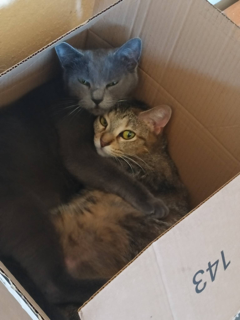
Marcus, Stella and Rex will all purr when they are petted, and can relax enough to play with interactive toys, but they have remained cautious of new people. They were neutered - turns out Stella is a Stevie. Rex is now Rhett and a permanent resident of our sanctuary. Marcus and Stevie have gone to live with my friend. Neither one of us were actively seeking to add more kitties to our families, but these boys are exactly the type of cat who gets overlooked at shelters. Adopters can have unrealistic expectations and become frustrated when their cat is constantly anxious and still hiding weeks or months later. Cat people understand that one needs to earn affection from kitties like these, and that predictable routines will help them feel settled. Rhett is currently having a ball in the catio, on the stairs, and with all his new playmates.
While this is a happy ending for all these kitties, the reality is that aside from food, these cats had very little care. The person feeding claimed she couldn’t afford to alter Darla and left it at that. Admittedly, finding low cost spay/neuter is challenging. COVID saw record retirements levels in many fields, producing a current shortage of veterinarians and licensed vet techs. Many veterinary clinics have been purchased by out of state corporations, meaning the prices and profit margins are set and cannot be adjusted at the clinic level. Unlike low cost clinics, private clinics require pre-surgery blood work. This can easily add an additional $350 to a surgery, plus an extra trip that a working person may have difficulty managing. A routine spay at a private clinic can cost up to $900, barring extra time due to a cat being in heat or pregnant. One local clinic (that would cost full price minus our small discount for a nonprofit) with five doctors on staff was scheduling surgery over a month out. Our boys were neutered at the Oregon Humane Society, which cost $130 per cat with a month wait. Many low cost clinics I checked in Washington were not even accepting reservations, likely due to a back up of reservations. Factor in having to take time off work or lack of transportation, and you can see why so many cats don't get altered.
Because we grant small organziations funds to accomplish spaying/neutering and TNR (trap/neuter/return), we have heard multiple times that the situation feels more desperate this year. Global climate change has impacted “kitten season,” with kittens being born in late fall and winter. Hoarding cases of 40, 50, or 60 cats living in one residence that began with a few intact cats seem increasingly common these days. People who have gone into hiding from ICE or have been deported have to leave behind their pets. The economy and lack of stable housing for many people affects pet retention. It’s common knowledge that unhoused populations are intentionally breeding their animals, further burdening animal care facilities or rescues when they abandon the animals, are forced to leave their encampments, or go into shelters that do not accept animals. According to the ASPCA, total animal shelter intake continues to outpace total live outcomes at a greater rate than even two years ago. We have the perfect storm for an overabundance of felines at a time when veterinary resources are stretched thin and often out of reach for many pet guardians.
There’s a saying that being in rescue is like being in the mafia - you can never get out. The truth is that a rescuer can’t unsee cats left behind and needing help. What compels a person to act beyond just feeding a cat to work out a plan to get him or her into a clinic and gain freedom from the constant cycle of fighting, mating and reproduction? It’s often not only about having the funds to do so, or a vehicle, or being able bodied. How do we change ordinances and laws so that breeding animals costs more than anyone might make from selling the kittens on craigslist or FB Marketplace? How could those laws be enforced? While it’s completely legal to allow your animal companion to breed, it’s ethically repugnant while so many animals languish or die in shelters and on the streets. How do we flip that narrative? These are complex, burdensome questions. In the meantime, we help cats one at a time and try to rally help where we can - through fostering, adopting, volunteering, and donating. Being complacent, no matter how defeated we may feel, will help no one. Acting with compassion is always the higher road, and usually comes with rewards of its own. In my case, the rewards are warm and fuzzy, like adorable Rhett, the newest member of our sanctuary family.


Comments